2 min read

Why polarised safety glasses matter for outdoor workers

Why polarised safety glasses matter for outdoor workers
4:07

Outdoor workers are often exposed to harsh conditions, including intense glare from the Australian sun. Bright sunlight bouncing off reflective surfaces like concrete, water, steel and asphalt is hard on the eyes. It can also make it difficult to see, not ideal if workers are driving, operating machinery or performing high-risk tasks.

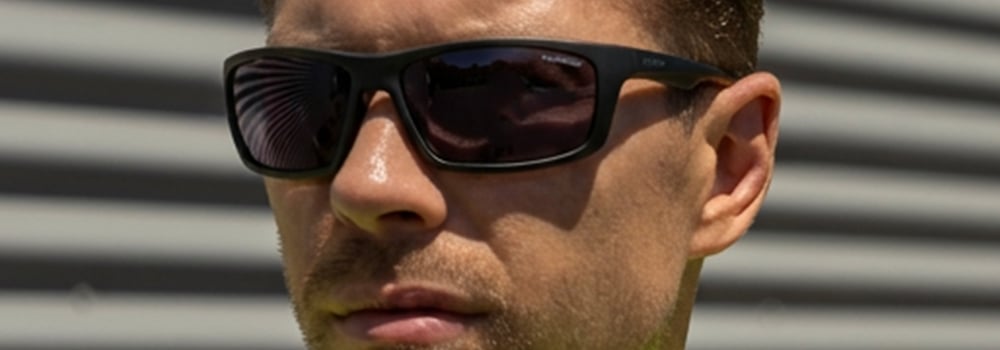
Polarised safety glasses are designed to filter out horizontal light and reduce reflected glare, easing eye strain and discomfort while helping workers see more clearly when working in bright conditions.

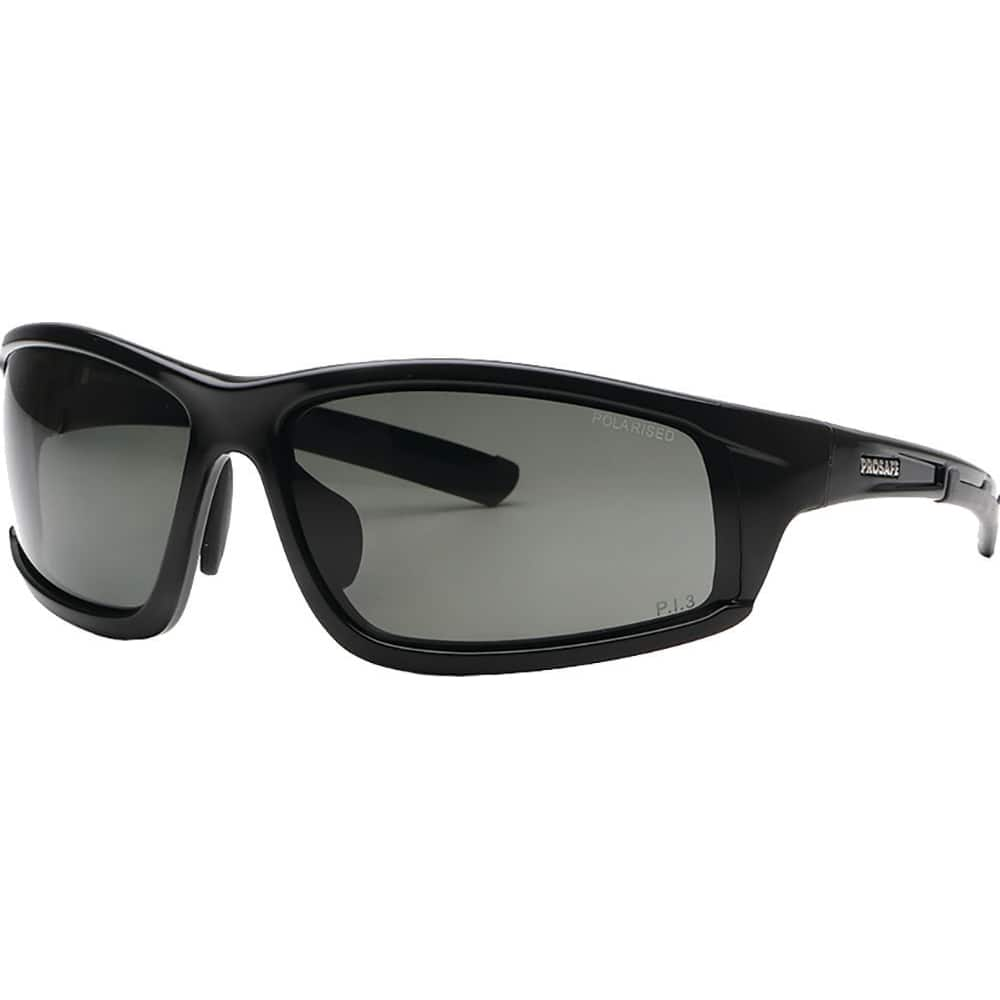
Polarised glasses from PROSAFE.

PROSAFE’s polarised safety glasses can be a good fit for outdoor workers across utilities, construction, mining, transport and logistics and maintenance.

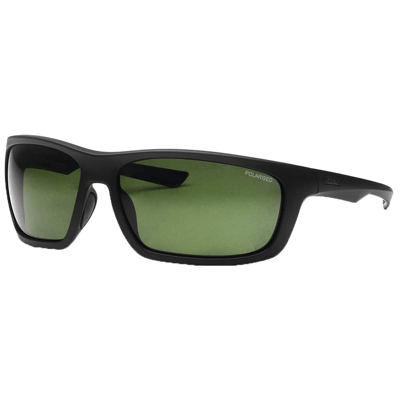
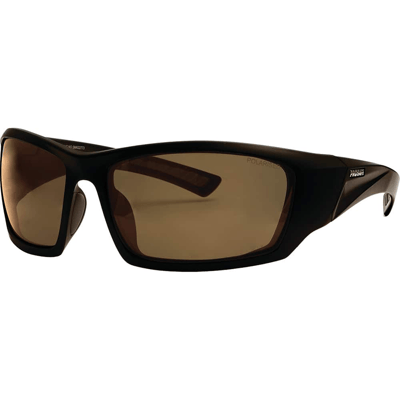
The Atacama, Kulya and Karoo models look just like stylish sunnies, with a close-fitting wraparound design offering effective protection from glare and allowing for a wide field of vision. The polycarbonate lenses also filter out 99.9% of UV rays.

PROSAFE Polarised Glasses

Atacama

The Atacama comes in two styles. There’s a matte black frame with a polarised smoke lens that is ideal for conditions where harsh reflected glare can cause discomfort and eyestrain. These have a lens category of 3 and visible light transmission rating of 8 ≤ 18%, which means the lens is darker and less light passes through to reach the eyes.

There’s also a translucent brown frame with a light brown polarised lens that offers true colour definition, while helping to reduce glare and enhance contrast. With a lens category of 2 and visible light transmission rating of 18 ≤ 43%, these glasses allow more light to pass through the lens, making them suitable for everyday outdoor conditions.

Karoo

Karoo safety glasses have a black frame with a smoke/grey blue polarised lens, and adjustable nose pads for fit and comfort. The Karoo also has a lens category of 3 and visible light transmission rating of 8 ≤ 18%.

Both the Atacama and Karoo models have a hard coat on both sides of the lens to help protect against scratches.

Kulya

The Kulya is available in a black frame with a choice of smoke or green polarised lenses. The green lens is designed to offer good contrast and even colour perception while reducing glare and helping brighten shadows. It has a lens category of 3 and a visible light transmission rating of 8 ≤ 18%. The Kulya features an anti-fog and anti-scratch coating.

All three models have a full frame with thermoplastic rubber temple, arm and nose pads for comfort and a secure fit. They have a minimal gap between the frame and the face to help reduce the risk of hazards, and are certified to AS/NZS 1337.1:2010 for medium impact protection.

Shane Wood, the National Category Manager for PROSAFE, says polarised safety glasses can help improve comfort and visibility for outdoor workers. The key is to choosing safety glasses that are fit for purpose – and fit workers!

“The first thing is to make sure that you've got the right safety specs for the application,” he says. “If a lens is too dark, and it gets overcast, for example, a worker can’t see. If it’s too light and really sunny, they might get eye fatigue because the glare is still coming through. Category two or category three is probably where most people land. These are a good option for the Australian summer. The next part is the fit and comfort, making sure that the shape of the frame, the lens, fits a worker’s particular facial features. Everybody's different.”

Available at Blackwoods - Your safety equipment partner.

Blackwoods is proud to offer PROSAFE as part of our commitment to keeping Australian workers safe. As the country’s largest provider of industrial and safety equipment, we’ve got everything you need to protect your team. Explore the PROSAFE polarised eyewear range at Blackwoods and contact a Technical Safety Specialist to identify the appropriate eye protection for your site conditions.

SHOP PROSAFE

01.PROSAFE

Read related articles

Why gloves need to be matched to the task at hand

Why gloves need to be matched to the task at hand

Construction workers risk hand injuries every day on the job, while operating machinery, using tools, handling heavy materials and working with sharp...
Read More
Why telco technicians need fit-for-purpose hand protection

Why telco technicians need fit-for-purpose hand protection

Telco technicians face mechanical risks from handling tools and equipment, laceration hazards from stripping cables or working in confined spaces,...

Read More
Minimising downtime with efficient spill management

Minimising downtime with efficient spill management

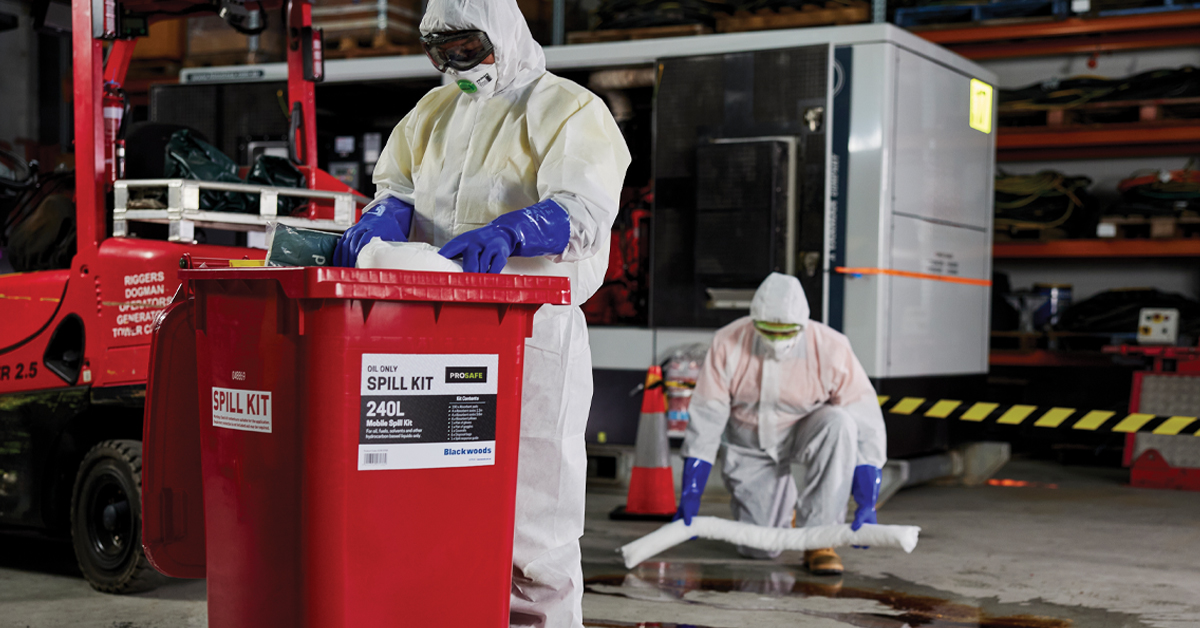
In manufacturing, spills of chemicals, solvents, coolants, lubricants and other liquids are more than just messy, they can pose safety and...

Read More