1 min read

The Tiny Protagonist Injuring Australians

What can be 100 times smaller than a grain of sand, yet it may be fatal for those who inhale it? While obvious answers would include the Covid-19 virus and Asbestos fibres, there is another lethal protagonist that is killing Australians. Silica dust is estimated to cause over 230 cases of lung cancer each year in Australian workers.

Other related illnesses linked to silica exposure include kidney disease, scleroderma (causing scar tissue in joints, skin, and other organs), bronchitis, and emphysema. Recently, the media has drawn attention to the three primary silica-related diseases that are incurable and potentially fatal. Silicosis can be diagnosed as acute or accelerated which can develop within weeks to months of a person’s exposure to silica dust or chronic silicosis which can takes years to develop.


Exposure to RCS can be fatal, but if the correct workplace procedures are followed, this exposure causing adverse health effects is avoidable.

Silica is an abundant mineral found in rocks and soil. It is hazardous to health when its dust particles are fine enough to reach deep inside the lungs. These particles are known as Respirable Crystalline Silica (RCS) and, over time, they can cause scarring of the lungs within the alveoli, which are the tiny air sacs that enable the exchange of oxygen and carbon dioxide during the breathing process. The International Agency for Research on Cancer (IARC) has classified RCS as a Group 1 carcinogen, which indicates that it causes cancer in humans.

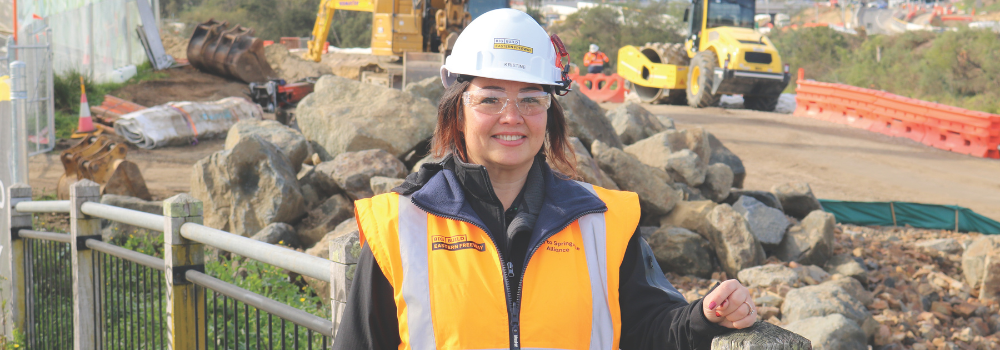
In the workplace, silica dust can be generated when materials containing silica are crushed, cut, drilled, polished, or ground. These materials include sand, stone, concrete, mortar, bricks, tiles, plastics, and composite stone products such as kitchen and bathroom benchtops. About 600,000 Australians are exposed to silica dust in the workplace. The Industries most at risk include (but are not limited to) construction, mining, engineering, stonemasonry, and farming. As awareness increases, there is one overwhelming message: Exposure to RCS can be fatal, but if the correct workplace procedures are followed, this exposure causing adverse health effects is avoidable.


silica dust brochure


Related Posts:    

Respirable-Crystalline-Silica-Exposure-Standards-and-What-it-Means-for-You-BlogRespirator Filters Don't Last Forever, So Why Take The Risk?Silicosis Prevention: Implementing Measures Using The Hierarchy of Controls


Read related articles

How Blackwoods vending machines transformed two manufacturing facilities

How Blackwoods vending machines transformed two manufacturing facilities

The challenge: Inefficient inventory and lost productivity. Two large manufacturing facilities were facing mounting challenges in managing their...

Read More
How the right signage can help boost safety and efficiency

How the right signage can help boost safety and efficiency

Signage provides vital communication in fast-paced manufacturing environments. Productivity, efficiency and safety depend on well-organised...

Read More
Making a difference in children’s lives – Together

Making a difference in children’s lives – Together

Sometimes, a small act of kindness sets something powerful in motion. Just after the Covid pandemic, the Blackwoods WA sales team felt a desire to...

Read More